How to Evaluate a Lamp Supplier Before You Commit
Samples look good everywhere. Six questions separate a manufacturer from a trading desk, and most are answered in writing.
Specification, compliance, freight and sourcing — written from the supplier side of the desk, without the sales pitch.
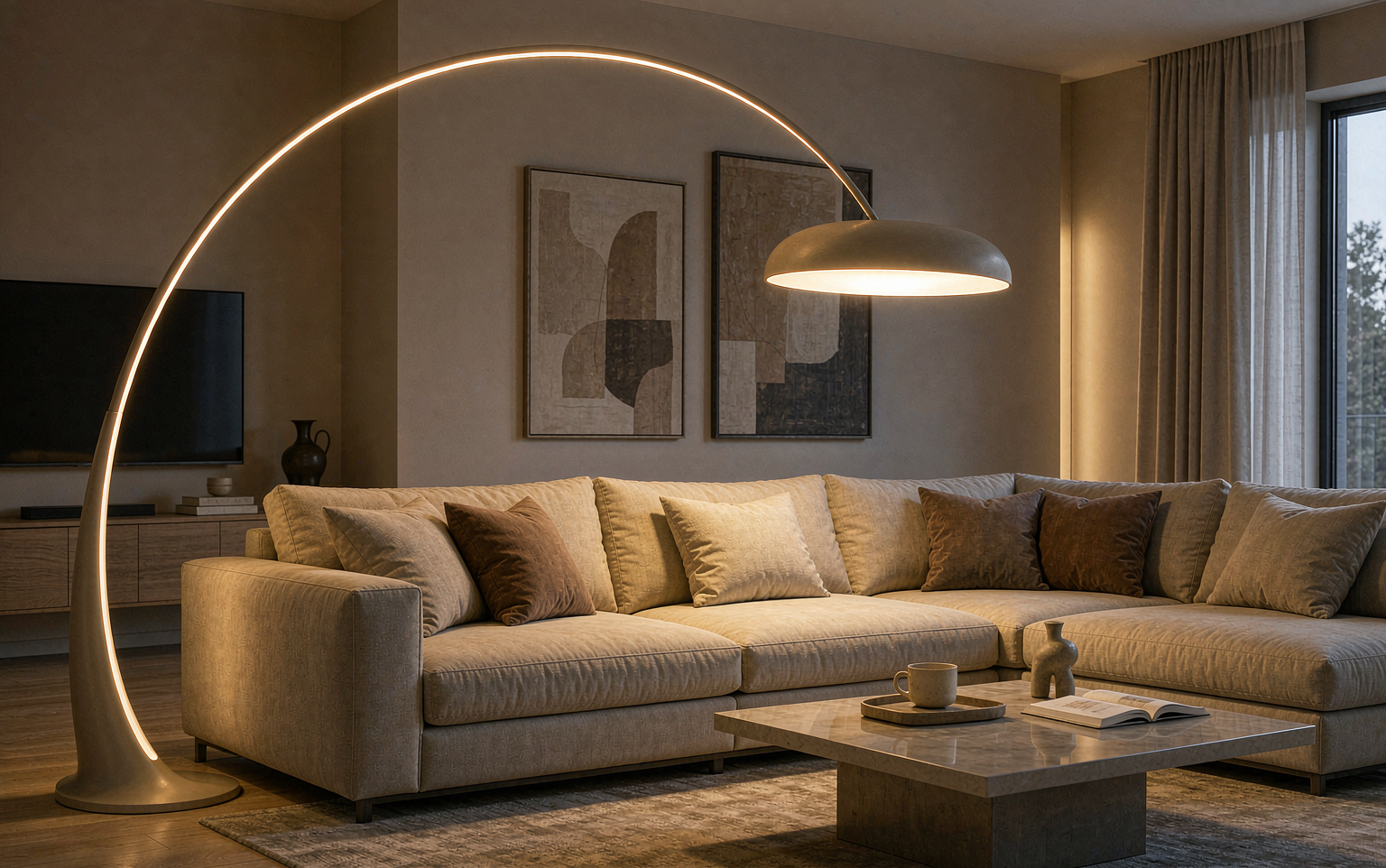 For retailers
Samples look good everywhere. Six questions separate a manufacturer from a trading desk, and most are answered in writing.
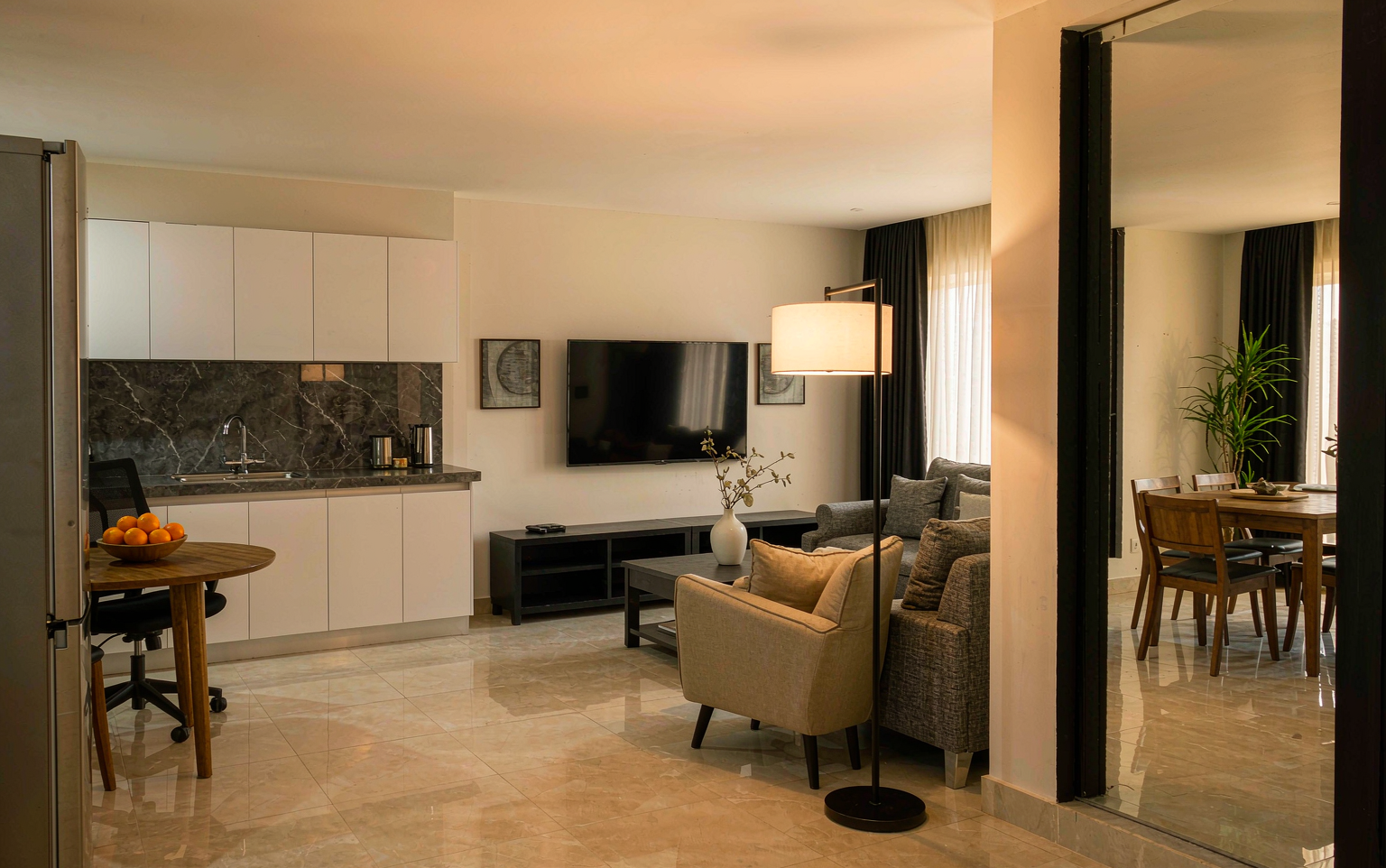 Desk & task lighting
Fifty desk lamps ordered together are not fifty individual purchases. Consistency, serviceability and cable management decide the outcome.
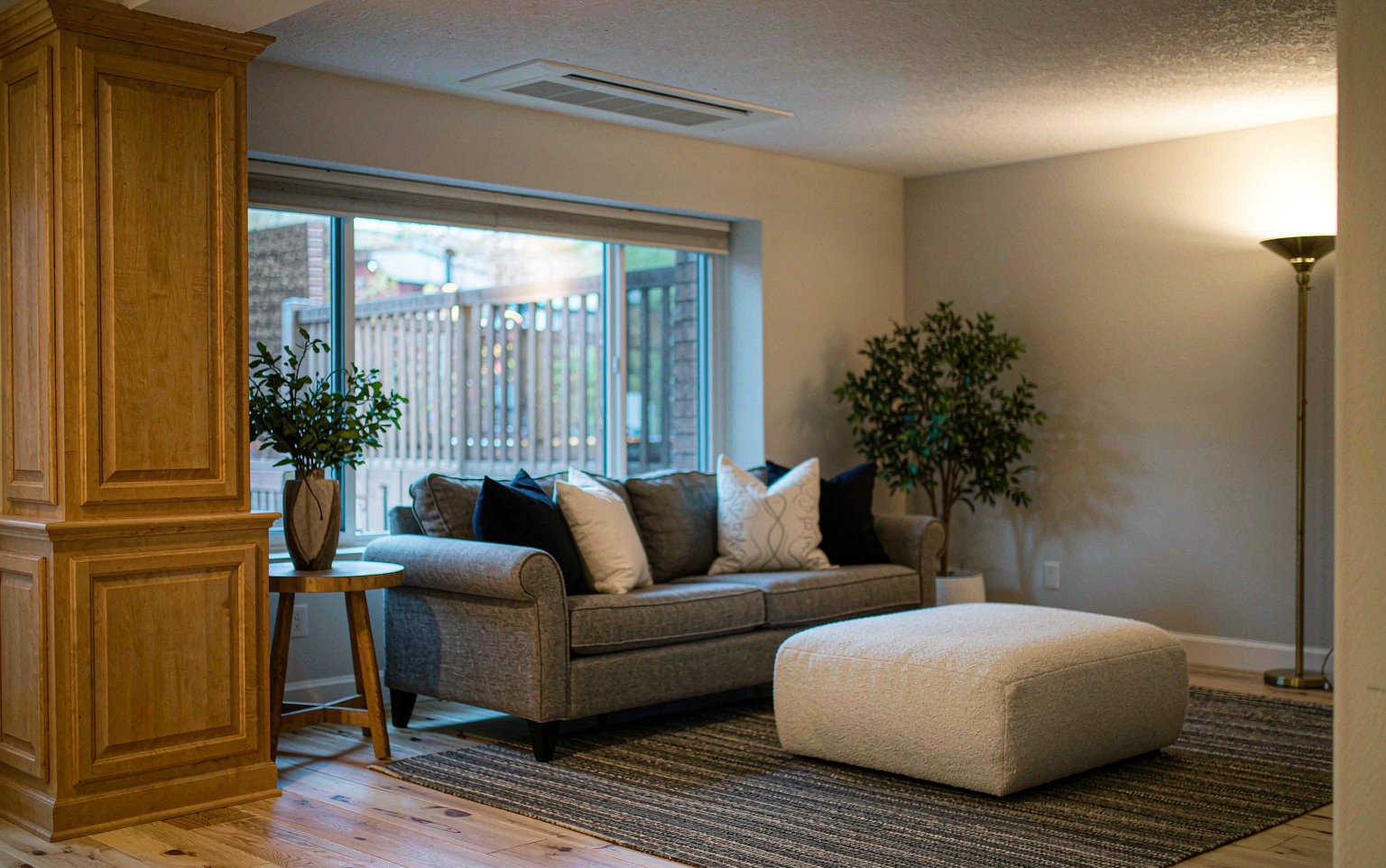 For retailers
The gap between an approved sample and a successful rollout is where most programmes are lost, and it is a process problem.
 Lighting design
Test reports can be useful or decorative. Three documents are worth asking for, and one of them is usually missing.
 Lighting design
Most disappointing lamp purchases were installed in the wrong place, and moving them costs nothing.
 For retailers
A stockist charges more per unit and less per mistake. Whether that is good value depends on four things about your business.
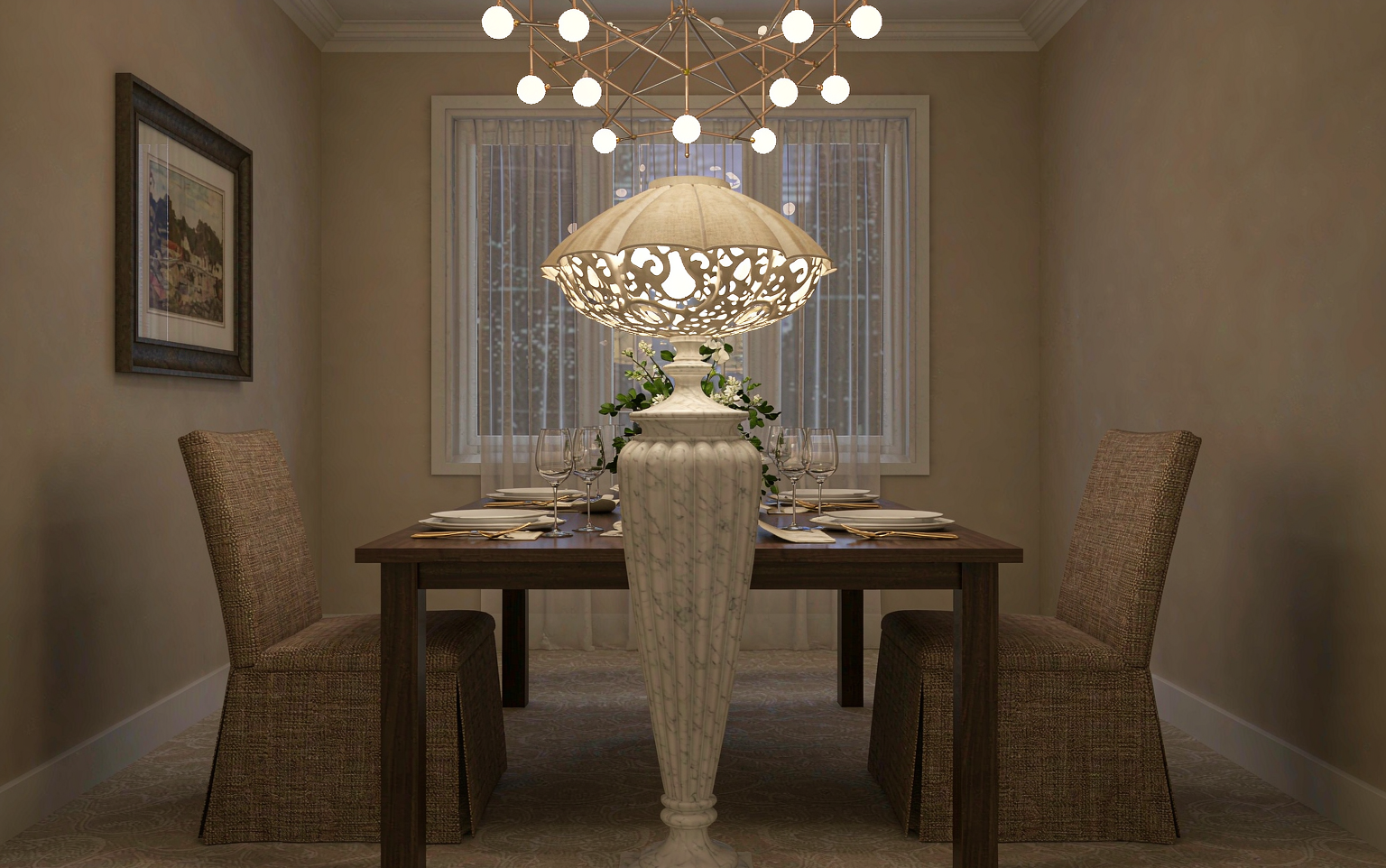 Lighting design
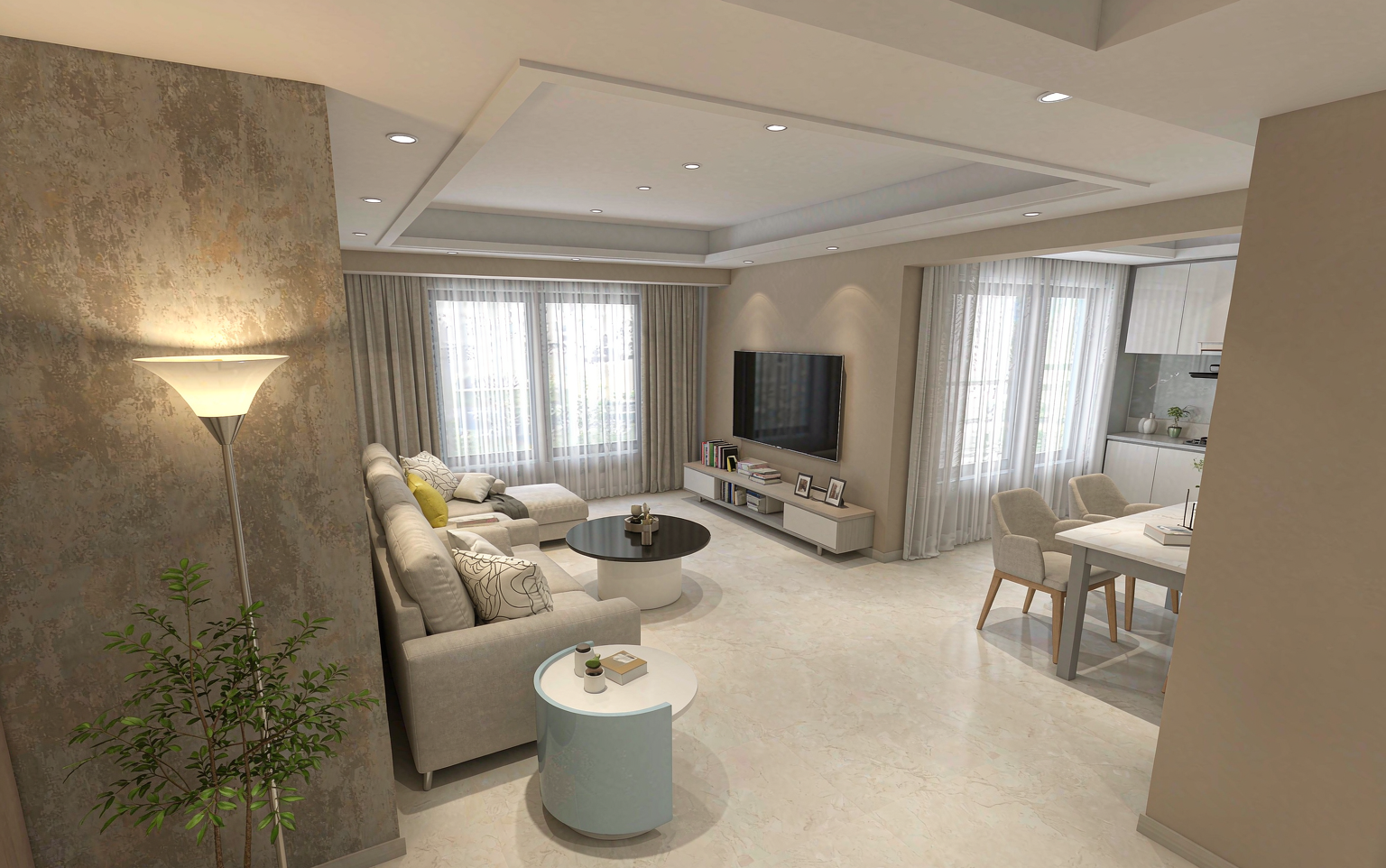
Older apartments and many rentals have no overhead light in the main room. Portable lighting is the whole solution, not a compromise.
 Buying guides
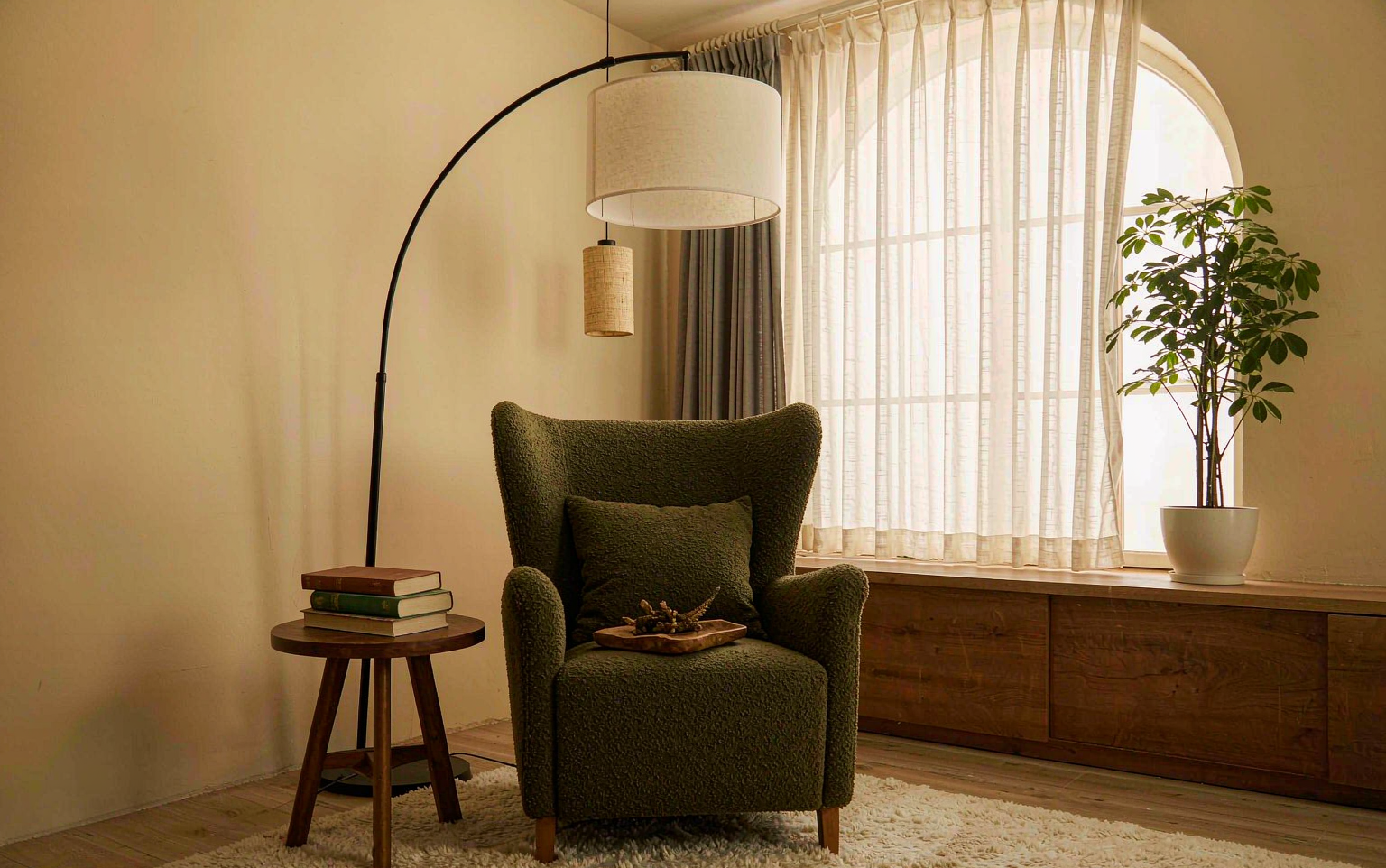
The 58-to-64 inch rule of thumb exists for one reason: the bottom of the shade should sit at eye level when you are seated. Here is how to apply it in a living room, a bedroom, and a reading corner.
 For retailers
Marketplace, specialty retail, design trade and hospitality each buy lighting differently. A range that suits one rarely suits all four.
 For retailers
A decade of LED adoption changed the component list, the price ladder and the questions a buyer asks before placing an order.
 Lighting design
A collection that looks coherent in a catalogue can look assembled from three ranges when it arrives on one pallet.
 Compliance
Stability and cord safety are tested properties. They are also the two most common causes of a lamp-related injury claim.
 Lighting design
Manufacturers quote lumens, designers specify lux, and cameras measure luminance. Using the wrong one produces a specification nobody can meet.
 Care & warranty
Units that survive the container can still be ruined in a warehouse. Storage is part of the damage rate.
 Hospitality
A room designed for reading a board and a room designed for looking at a screen need different light. Most rooms are used for both.
 Freight & sourcing
A 78-inch carton cannot go on a parcel van. What happens next decides the customer's opinion of the product.
Freight & sourcingThe three letters on a quotation decide who owns the goods when they fall off the pallet.
Freight & sourcingTooling is a one-time cost that behaves like a subscription if you never clarify ownership.
Freight & sourcingA second source is insurance. Buying it badly produces two inconsistent products and a customer who notices.
Freight & sourcingRates change, and the programmes that survive are the ones whose contracts, pricing and assortment were built to move.
ComplianceThe lamp does not transmit. The handset does, and that is what the certification covers.
Care & warrantyMost reported faults resolve to five causes, and four of them are not the lamp.
Freight & sourcingPrice is the easiest thing to compare and the least predictive. Six other measures tell you what the second order will be like.
Freight & sourcingDamage is not random. It clusters on specific components in specific shipments, and the pattern usually points at the pack.
Lighting designThe shade is the most handled, most photographed and most damaged part of the lamp. Specifying it properly is a supply chain decision.
For retailersThree price points, three different jobs. Most assortments fail because two of them are doing the same one.
For retailersOwning the design is the only reliable way to own the price. It is also a programme with a longer runway than most buyers budget for.
ComplianceIn an integrated LED lamp, the driver is the product. Two lamps that look identical will age differently depending on what is inside.
ComplianceListings are maintained through factory follow-up inspections. Buyers who never ask about that arrangement are buying a piece of paper.
ComplianceMarketplaces enforce compliance with documents rather than with inspections. The document set is predictable, and it is worth having ready before the listing goes live.
For retailersLighting sells to a seasonal rhythm, and orders placed in the wrong month arrive in the wrong month.
Care & warrantyAlmost every finish failure starts with the wrong cloth. A short care routine extends the life of a lamp more than any product feature.
Freight & sourcingCarton dimensions decide the number. Loading pattern decides how much of that number you actually get.
ComplianceCalifornia's warning requirement reaches a surprising number of consumer products. Buyers need to know what it means and what it does not.
ComplianceIt applies to buildings, not to lamps. But it decides which lighting controls a commercial project can specify, and that reaches into furniture.
CompliancePortable lamps sit at the edge of efficiency regulation. The state rules are often stricter than the federal ones, and California leads.
For retailersMost lamp packaging is plastic foam inside a printed box. There are replacements, and each has a cost that shows up somewhere else.
Desk & task lightingSome people see it, more people feel it, and almost nobody can find it in the specification. Flicker is a driver problem.
Lighting designA lamp with an app is not a smart lamp. Interoperability standards decide whether a customer can keep using it after the app is gone.
Lighting designDimming is a negotiation between three components, and the customer only bought one of them.
Care & warrantyWarranty is a cost line and a marketing asset. Treating it as an argument with the customer makes it the most expensive of both.
Lighting designA lamp nobody can reach is a lamp that stays on. Control placement is an accessibility requirement, not a finishing touch.
HospitalityTethering every table to a socket limited where the seating could go. A charged lamp removes that constraint and adds a routine.
Desk & task lightingSheet music needs 500 lux on a small, tilted surface. That geometry rules out most lamps and makes the clip-on the standard.
HospitalityNobody wants to be there, and the lighting usually makes it worse. A few specific choices make the wait easier.
HospitalityA guest room has six lighting jobs and one switch plate. Writing the numbers down prevents the argument later.
HospitalityLobby, lounge, gym, co-working and courtyard in one building. Each space fails in its own way if the lighting is specified from one specification.
HospitalityDining rooms have to be dim enough to feel intimate and bright enough to read a menu. The solution is placement, not a single level.
HospitalityThe same room needs two to three times the light at sixty-five as at twenty-five. Most senior housing is lit for the staff, not the residents.
HospitalityUSB-C or USB-A, an AC outlet or not, and why a knob beats a remote when the guest cannot find the instructions.
HospitalityCeiling lighting is designed for the whole floor. A floor lamp is how you fix the one desk that nobody wants to sit at.
Care & warrantyDamage claims are won on photographs and documentation, not on the strength of the complaint. Build the evidence before the truck leaves.
Care & warrantyA finial, a socket ring and a cord set cost almost nothing. Being unable to supply them converts a warranty claim into a lost customer.
For retailersDrop-shipping removes inventory risk and adds a damage and service problem. On a tall, fragile, heavy product, that trade is rarely free.
HospitalityA guest room lamp is used harder in one year than a home lamp is used in ten. The specification should follow the number, not the look.
Freight & sourcingLead time is not the production time on the quotation. It is production, inland, sailing, port, customs and delivery, each with its own failure mode.
Freight & sourcingMost lighting defects are visible before the container is sealed. A two-day inspection costs less than one chargeback.
Freight & sourcingA unit price is not a cost. Here is a model you can build in a spreadsheet in an afternoon and argue with for years.
Freight & sourcingConsolidating into a shared container saves money on paper and adds risk in reality. Volume, fragility and timing decide the trade.
For retailersThe unit price is lower when you import direct. The total cost often is not. We work through duty, freight, capital, and the cost of a forecast that was wrong.
Lighting designA torchiere is a two-part optical system: the fixture and the ceiling above it. Only one of them is in the catalogue.
Lighting designAmbient, task and accent light do different jobs. A single lamp asked to do all three will do none of them well.
Lighting designIn a small room the lamp competes with the furniture. Base diameter, cord exit and head reach matter more than style.
Desk & task lightingMatte screens made monitors less reflective. They did not make light stop bouncing off paper, keyboards and walls into your field of view.
Lighting designA long reach over furniture is a lever. Everything about a good arc lamp is an argument with that lever.
Desk & task lightingThe mounting decision comes before the optical one, and it decides whether the lamp survives a year in an office.
Desk & task lightingOne ceiling fixture, no floor space, and a roommate asleep two metres away. Dorm lighting is a constraint problem.
Desk & task lightingA face lit from directly above looks exhausted. A face lit from the screen looks blue. Both are avoidable with a lamp and a wall.
Desk & task lightingA good task lamp puts light on the desk and not in the eyes. The optical trick behind that is older than the LED.
Desk & task lightingThe number is not a wattage and not a lumen figure on the box. It is illuminance at the working surface, measured where the hands are.
For retailersEvery MOQ has a reason behind it. Find the reason and part of the number usually moves; argue about the number and nothing does.
Freight & sourcingA show floor gives you three things a catalogue cannot: touch, people, and a sense of who is pretending.
For retailersMost lighting returns are not defects. They are mismatches between what the customer expected and what the carton promised.
Freight & sourcingTen millimetres off a carton footprint costs nothing at the factory and pays for itself every time the lamp moves.
Freight & sourcingTariff exposure changes the economics of a lamp programme more than a freight rate negotiation. Here is how buyers structure around it.
Freight & sourcingMost lamps enter the United States under heading 9405. Which line you land on changes the duty rate and your audit exposure.
For retailersLighting is one of the few categories where a shopper needs the product plugged in to choose it. Layout should follow that fact.
For retailersA 78-inch carton triggers oversize surcharges and bills on dimensional weight. Here is how to model landed cost before you commit to a purchase order.
ComplianceBoth marks satisfy the same NRTL requirement under OSHA. What matters to a buyer is the file number, the scope of the listing, and who is named on it.
Buying guidesOne throws light up, the other reaches over. The right answer depends on where the seating is and whether you have a ceiling fixture at all.
Lighting designTwo lamps with the same bulb and the same height can deliver completely different light. The variable is the shade.
Buying guidesA three-way socket, a three-way bulb and a three-way switch are three different things. Mixing them up is a support ticket.
ComplianceNobody photographs a strain relief. It is also the first thing a reviewer looks at, and the cheapest thing to get wrong.
ComplianceUL 153 is the standard behind most portable lamp listings in North America. Knowing what it covers tells you what a listing does and does not promise.
Lighting designColour rendering index is a single number describing eight test colours. It is useful, incomplete, and easy to game.
Lighting designColour temperature decides whether a room reads warm, neutral or clinical. The safe range for residential work is narrower than the market suggests.
Buying guidesA 60-watt replacement bulb is not 60 watts. If you are specifying light, you need lumens, not a number borrowed from 1975.
Buying guidesMost lamps ship with one base and stay that way for years. Getting it wrong is a return, not a rework, so it is worth ten minutes.
Lighting designLumens-per-square-foot tables are a starting point, not an answer. Here is how to size light for a room you can actually describe.
Buying guidesEvery lamp specification sheet answers the same six questions. When a supplier leaves one of them blank, that silence is the answer.