Last reviewed: Sep 15, 2026
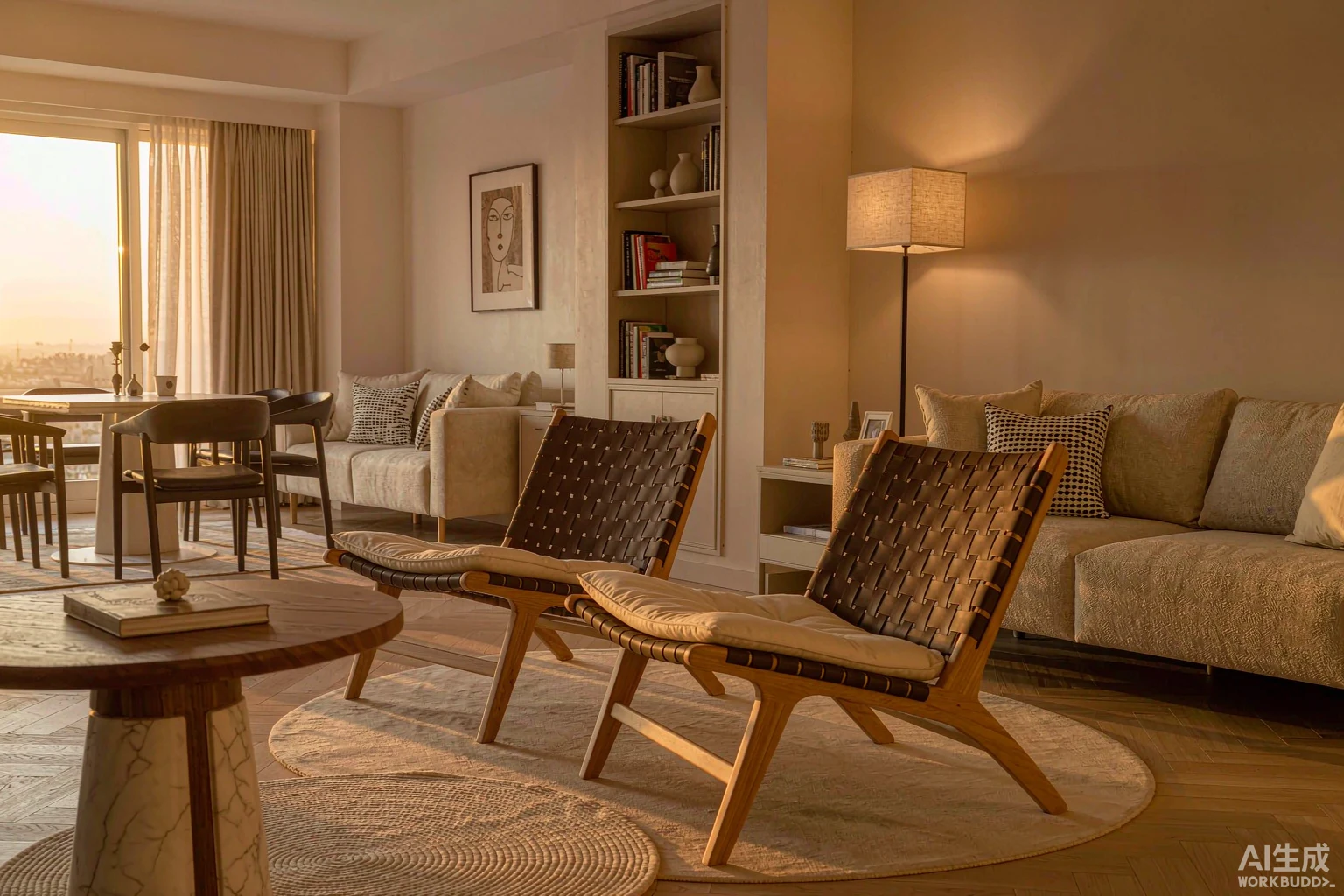
Guests experience a hotel corridor more often than almost any other space in the building — every arrival, every midnight walk, every luggage drag, every room-to-room visit. Yet in most lighting specifications the corridor is an afterthought: whatever the ceiling coves and emergency circuit deliver, plus whatever housekeeping plugs in where the outlets allow. The result, property after property, is a stretch of dim, uneven, charmless in-between where the design budget never landed. Portable lamps quietly fix part of this, and this article covers where they fit, what to standardise, and why the corridor rewards the cheapest lighting investment per guest impression on the property.
What makes corridor lighting different
Corridors are transit space: nobody lingers, everybody passes, and the lighting job is orientation rather than occupation. Guests need three things from it — a clear path, readable door numbers, and a sense that the property is cared for at the hour they are least charitable. Fixed cove and downlight schemes can deliver the first two; the third is where they consistently fall short, because uniform ceiling light with no warm accent reads as institutional exactly when a guest is walking it alone at midnight.
The gap is psychological more than photometric. Our guest room light levels guide covers the numbers for rooms; corridors need fewer lumens than a workspace but a warmer, more layered composition — which is precisely the layering that portable lamps add without touching the ceiling.
Where portable lamps belong in a corridor
Three positions earn their place reliably. The alcove or wide point between room clusters takes a table lamp on a console — a warm anchor that breaks the corridor’s rhythm into readable segments. The corridor’s ends and the elevator lobby take a taller piece, an uplight or a distinctive floor lamp, so the far end of a long walk has a visible destination. And the service or alcove nooks that housekeeping uses take simple, sturdy sources that make pre-dawn turn-downs humane.
What does not belong: anything fragile at luggage height, anything with a shade that narrows the walkway, and anything that demands staff attention the corridor will not get. Our lobby and reception lighting guide covers the spaces corridors connect to; the corridor versions of those pieces should be their hardier siblings.
What to standardise across the corridor run
Corridor lamps live under housekeeping conditions — dusting on a schedule, occasional knocks from luggage carts, vacuum cords — so the standardisation list is shorter and harder than for guest rooms. One finish across the run, so replacements are invisible. One bulb specification, so a changed lamp does not read as a different colour temperature halfway down the hall. Stable bases and shade materials that shrug off a bump, because the corridor is where the ten-thousand-switches durability logic is tested hardest relative to the attention it receives. And a count that matches reality: long corridors want repeating anchors, not one heroic piece trying to light forty feet.
The maintenance reality that decides the model
Every lamp specified for a corridor is a lamp housekeeping will maintain blind, at speed, on a schedule that has never once included lamps. That argues for the simplest maintenance profile available: cool-running LEDs that rarely need changing, shade shapes that dust cleanly, and controls so simple that no training is required. It also argues for buying spares with the programme, because a corridor with one dark console for a month tells every guest walking past that nobody is looking. Our attrition and replacement planning guide sizes the spare pool; corridors deserve a line in it precisely because their failures are so visible and so slowly fixed.
Buying the corridor programme
A corridor programme is one of the friendliest lamp buys in the building: modest counts, repeatable positions, and a visible payoff per dollar. It also fits the mixed-SKU buying model perfectly, because the console lamps, the end-of-run uplights and the service nook sources are different models that want to travel on one order.
Anrotix supplies exactly that mix from United States stock. Our portable-luminaire range is built to ETL listed to UL 153 and CSA C22.2, 120V with E26 bases and US plugs, orderable from ten units with mixed SKUs and dispatched within one to two business days — so a corridor refresh rides on the same purchase order as the guest-room programme, at the same finish standard. Send your corridor lengths and alcove count to help@anrotix.cn and we will propose the placement set and quote it.
Frequently asked questions
Do hotel corridors really need lamps if there is ceiling lighting?
The ceiling scheme delivers visibility; it rarely delivers warmth or rhythm. Portable lamps at alcoves and corridor ends break the run into readable segments and signal care at the hours guests judge hardest to please — which is why designers layer them over the fixed scheme rather than replace it.
What kind of lamp survives corridor duty best?
Cool-running LEDs, stable bases, dustable shade shapes, one finish across the whole run, and controls that need no training. Corridor lamps are maintained blind at speed by housekeeping, so the maintenance profile decides the model more than style does.
How many lamps does a corridor programme need?
Repeating anchors rather than heroics: a console lamp at each wide point or alcove, a taller piece at each end and the elevator lobby, and simple sources in service nooks. Long corridors want more anchors, not one piece trying to light the whole run.
Sourcing lamps for your business?
We stock the Anrotix range in the United States — complete with LED bulbs and accessories — and supply from 10 units, mixed across SKUs.
Request wholesale pricingRelated product: the 69-inch wood torchiere — a warm uplight that fills long stretches of corridor without hardwiring
Recruiting regional partners worldwide — help@anrotix.cn