Last reviewed: Sep 15, 2026
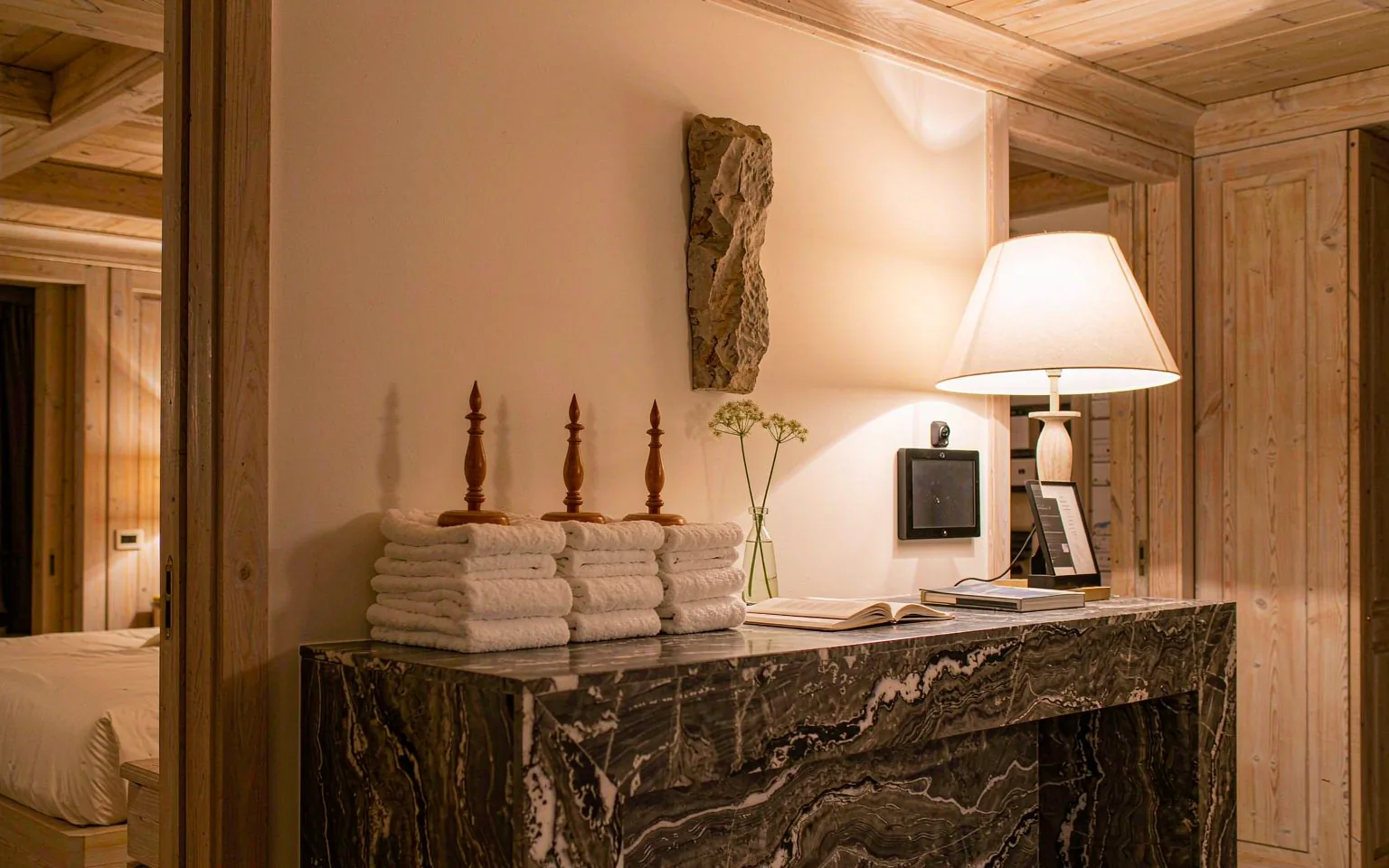
A staging lamp has a harder life than almost any other portable luminaire. It is loaded into a van, carried up stairs, assembled in an afternoon, photographed, disassembled, and moved to the next property. The failure modes are not the ones a residential buyer worries about. They are breakage in transit, shades that crease, finishes that scuff, and assembly that takes longer than the slot on site allows.
What breaks, and why
None of this is exotic. It is simply a different duty cycle from the one most portable lamp specifications are written for.
- Shades. They are the most vulnerable part and the most visible when damaged. A creased shade photographs badly and is expensive to replace relative to the lamp.
- Finishes. Painted and plated surfaces scuff against each other in a van. Matte finishes hide this better than gloss.
- Joint hardware. Threads and collars are tightened and loosened repeatedly and wear faster than in a fixed installation.
- Cords. Repeated wrapping stresses the cord where it enters the body.
Specifying for the move, not the room
The useful shift is to specify for handling rather than for a single placement. That means favouring shades that pack flat or nest, finishes that tolerate contact, bases heavy enough to stay put but not so heavy that they slow the move, and assembly that can be completed without tools.
Assembly time is the hidden line item. Assembly Time on Site: The Labour Cost Hidden in Every Lamp Carton makes the point that a lamp which takes ten minutes longer to assemble costs more across a property than a modest difference in unit price.
Getting the light right for photography
Staged rooms are photographed, which puts different demands on the light than living in them does. Camera sensors handle contrast less gracefully than eyes do, so a room that feels pleasant can photograph flat or, conversely, show harsh pools and blown-out walls.
The practical rules are the usual ones about layering and placement. Three Layers of Light, and Why One Fixture Cannot Do All Three sets out the framework, and Eight Floor Lamp Placement Mistakes covers the placement errors that show up most often in listing photography.
One caution worth repeating: mixed colour temperatures in the same frame look wrong in a way that is obvious even to buyers who cannot articulate why. Match the lamps within a room, and match them across the properties in a portfolio. 2700K or 3000K? Choosing Colour Temperature for North American Interiors goes through the choice.
Buying for a portfolio rather than a property
Stagers and homebuilders typically run the same specification across many addresses, which changes the economics. Consistency becomes more valuable than variety, because the same units move between houses and must look deliberate in each one.
That argues for a small number of models in a small number of finishes, held in stock rather than ordered per job. It also argues for a supplier who can dispatch quickly, because staging schedules change more often than construction schedules do.
The wider process of rolling one specification across many sites is covered in Rolling One Lamp Specification Out Across Twenty Properties. Our wholesale terms cover minimums and dispatch timing.
For a staging portfolio quote, including mixed-SKU minimums and dispatch timing, email help@anrotix.cn with the property types and the number of units you are furnishing.
The inventory question: what to keep in the van
A staging inventory is a fixture list that has to fit in a vehicle and be assembled by two people in an afternoon. That constraint shapes the specification more than any aesthetic consideration, and it is the one buyers most often discover too late.
The useful starting point is a small number of silhouettes that cover the main room types: a tall uplight for the corners of living rooms, a shaded model for reading positions, and a pair of matching bedside lamps for the principal bedroom. Three silhouettes will furnish most properties; six will not furnish them twice as well.
Then standardise the things that fail. One shade fitment type across the inventory means one spare shade fits any lamp. One finish family means a scuffed unit can be swapped into another property without looking out of place.
The commercial benefit shows up in the reorder, not the first purchase. Concentrating volume on few codes improves both pricing and availability, and it makes the replenishment order a one-line email instead of a specification exercise. How Many Lamps Does a Room Need? helps with the quantity side, and our wholesale terms cover minimums and dispatch timing.
Frequently asked questions
How many lamp models should a staging inventory carry?
Fewer than instinct suggests. Two or three silhouettes in one or two finishes will furnish most rooms, and consistency reads as intent rather than repetition.
Do staging lamps need to be cordless?
Not usually, but cordless helps where outlets are awkward or where a lamp needs to sit away from a wall. It is a placement tool rather than a requirement.
What is the most common specification mistake?
Ordering by unit price without checking carton data. Staging goods are moved constantly, so packaging that survives repeated handling is worth more than a small price difference.
Sourcing lamps for your business?
We stock the Anrotix range in the United States — complete with LED bulbs and accessories — and supply from 10 units, mixed across SKUs.
Request wholesale pricingRelated product: the wooden LED floor lamp — a slim upright model that photographs well and moves between properties easily
Recruiting regional partners worldwide — help@anrotix.cn