Title 24 is California's building energy code, updated on a three-year cycle, and it regulates lighting in commercial buildings with a level of detail that surprises buyers whose projects involve hospitality or multifamily work in the state.
What the code regulates
The installed lighting power for a space, and the controls that operate it. Requirements typically address automatic shutoff, occupancy or vacancy sensing, daylight responsive control near windows and skylights, and in some space types, dimming or bilevel switching.
Why portable luminaires matter to a code official
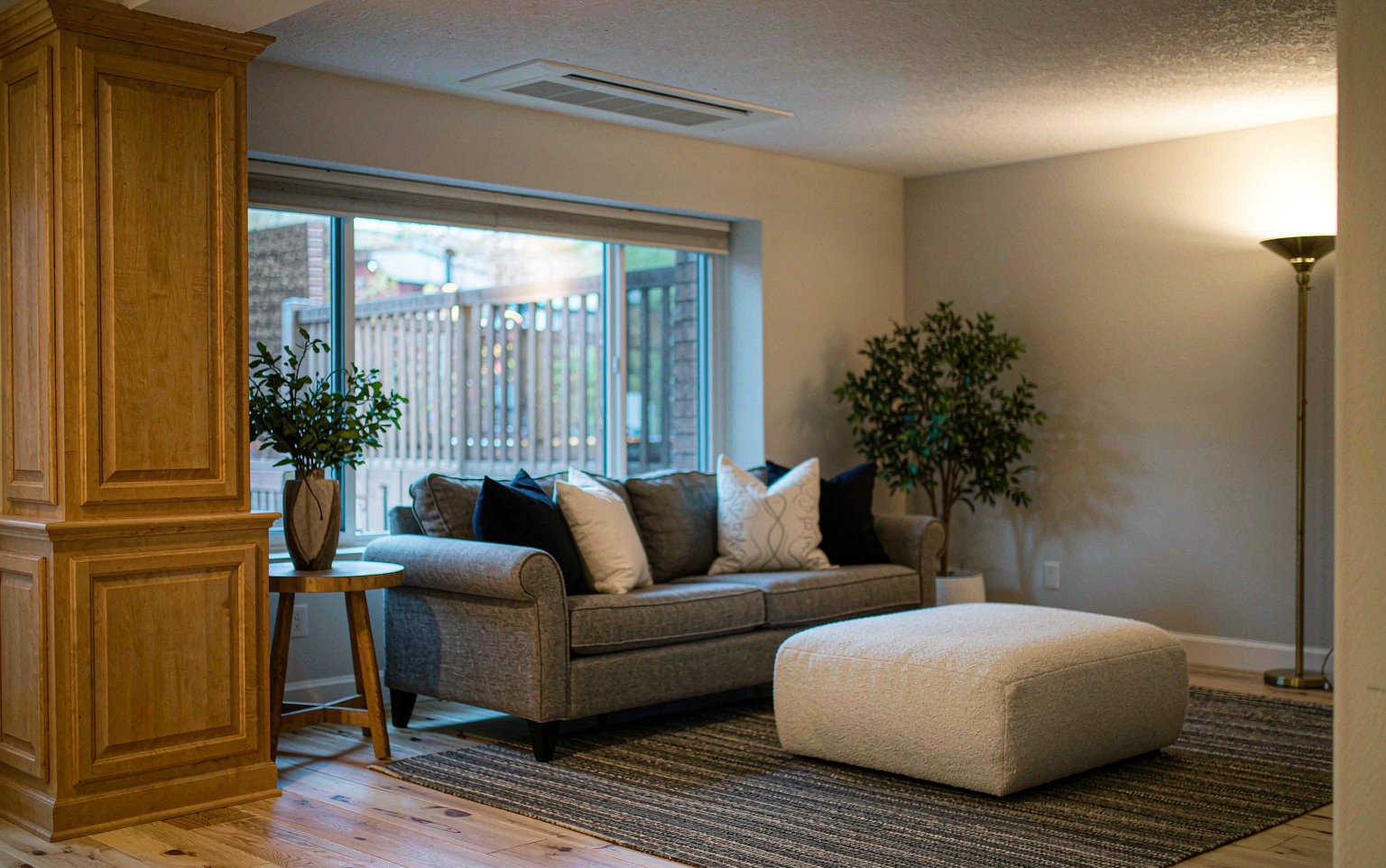
Plug-in floor and table lamps are usually exempt from the power allowances because they are not permanently installed, but their presence can change how a space is classified and how the permanent lighting is designed. On a hospitality or multifamily project in California, the answer to whether portable lighting is allowed to count towards the design is a question for the project's lighting designer.
| Space | Typical control requirement | Effect on a lamp specification |
|---|---|---|
| Guest room | Shutoff and local control | Lamps must not defeat the automatic shutoff |
| Open office | Occupancy sensing, daylight dimming | Local lamps help satisfy per-desk needs |
| Retail floor | Display and accent control | Portable display lamps need a control story |
| Multifamily common area | Occupancy and time scheduling | Lamps tied to the switched circuit |
Compliance is documented, not asserted
A project in California demonstrates compliance with forms and calculations signed by a professional. Product data sheets, including wattage and any controls, feed those documents, which is why a missing specification sheet becomes a project delay rather than a minor inconvenience.
What suppliers should have ready
Wattage, lumens, colour temperature, and a statement of how each fixture is controlled. For portable lamps used in a code-driven project, the useful addition is a note on what happens when the circuit is switched off at a wall control.
Keep it in perspective
Title 24 is one of the more demanding lighting codes in the country, and the practical response is to specify more controllability than the minimum and document it properly. Projects that do this rarely fail an inspection, and they typically deliver lower operating energy as a side effect.
This is background for planning. Confirm requirements with the project's lighting designer or code consultant before specifying.
Code requirements change on a three-year cycle. Verify the current edition for your project.
Sourcing lamps for your business?
We stock the Anrotix range in the United States — complete with LED bulbs and accessories — and supply from 10 units, mixed across SKUs.
Request wholesale pricingRecruiting regional partners worldwide — help@anrotix.cn