Last reviewed: Sep 15, 2026
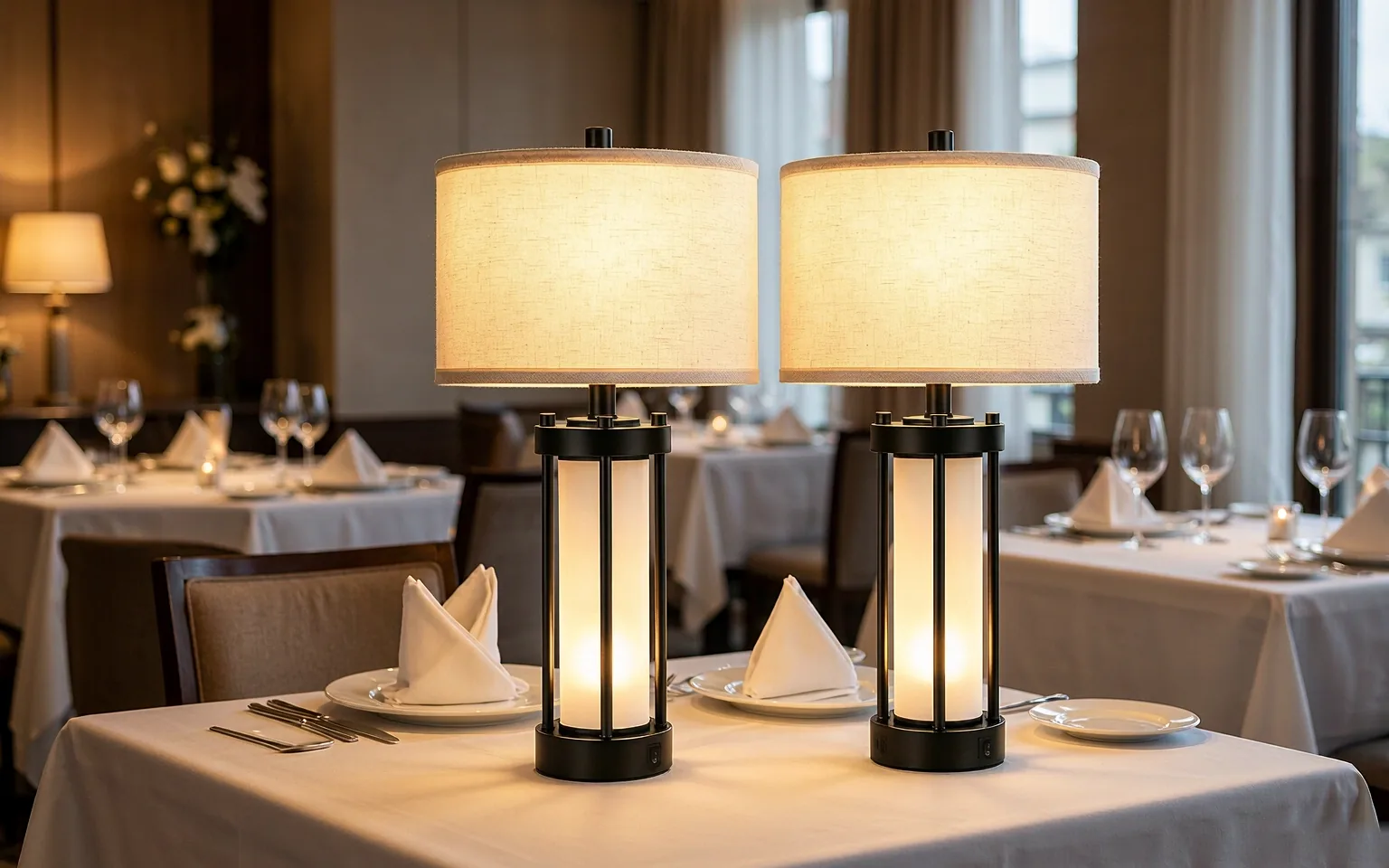
Age changes the eye in ways that a lux meter reads clearly: the pupil admits less light, the lens scatters more of it, and contrast sensitivity falls. A lighting scheme that looks generous to a thirty-year-old designer can be functionally dim for the person living in the room.
The physiological facts
Reaching the retina, light falls by roughly two thirds between the ages of twenty and sixty. Scattering in the lens turns bright sources into veiling glare, which reduces contrast exactly where contrast matters most. Adaptation to changing light levels also slows, so a rapid transition from a bright corridor into a dim room is genuinely disorienting.
What follows for the specification
Four adjustments do most of the work in residential care settings:
- Higher ambient levels, typically double what a residential scheme would use
- No exposed sources in the normal field of view, so lamps must have deep shades or diffusers
- Consistent levels between adjacent spaces, so thresholds do not produce dark adaptation delays
- Local control within reach of a seated person, with an obvious on position
Task light where reading happens
A reading lamp that reaches 500 lux on the page at the chair or the bed is worth more than raising the whole room. Directional light with a shielded head also avoids the glare that a brighter ceiling fixture would create.
| Location | Target on the task | Notes |
|---|---|---|
| Bedside reading | 300–500 lx on the page | Adjustable head, switch within reach |
| Armchair | 400–600 lx | Light from over the shoulder |
| Bathroom mirror | 500 lx at the face | Frontal, warm, no bare lamp visible |
| Corridor | 100–150 lx | Even, no pools, night level available |
Night lighting is a separate system
A low-level path of light between the bed and the bathroom prevents falls and can be provided by a lamp with a very low dimming floor. If the dimmer cannot go below ten percent, it cannot perform this function.
Test with residents, not with a meter alone
Sit in the chair with the intended occupant. Ask whether they can read the smallest print they care about. The answer is better evidence than a specification, and it is available before a hundred rooms are fitted out.
Related reading
Frequently asked questions
Why does senior living need more light
Older eyes need higher light levels to read comfortably and to keep contrast and glare under control, so common areas and residences should be brighter and steadier than a typical home.
What should I avoid in senior-living lighting
Avoid harsh glare, deep shadows, and flicker, which raise fall and discomfort risk. Even, well-shielded light with easy controls works better.
Are there listing requirements for these fixtures
Portable lamps used in these settings should still be ETL or UL listed to UL 153 with CSA C22.2 for Canada; the care setting does not relax the safety requirement.
Sourcing lamps for your business?
We stock the Anrotix range in the United States — complete with LED bulbs and accessories — and supply from 10 units, mixed across SKUs.
Request wholesale pricingRelated product: Remote-controlled LED torchiere — one upright, 3,000 lumens, operated from the chair
Recruiting regional partners worldwide — help@anrotix.cn