Last reviewed: Sep 15, 2026
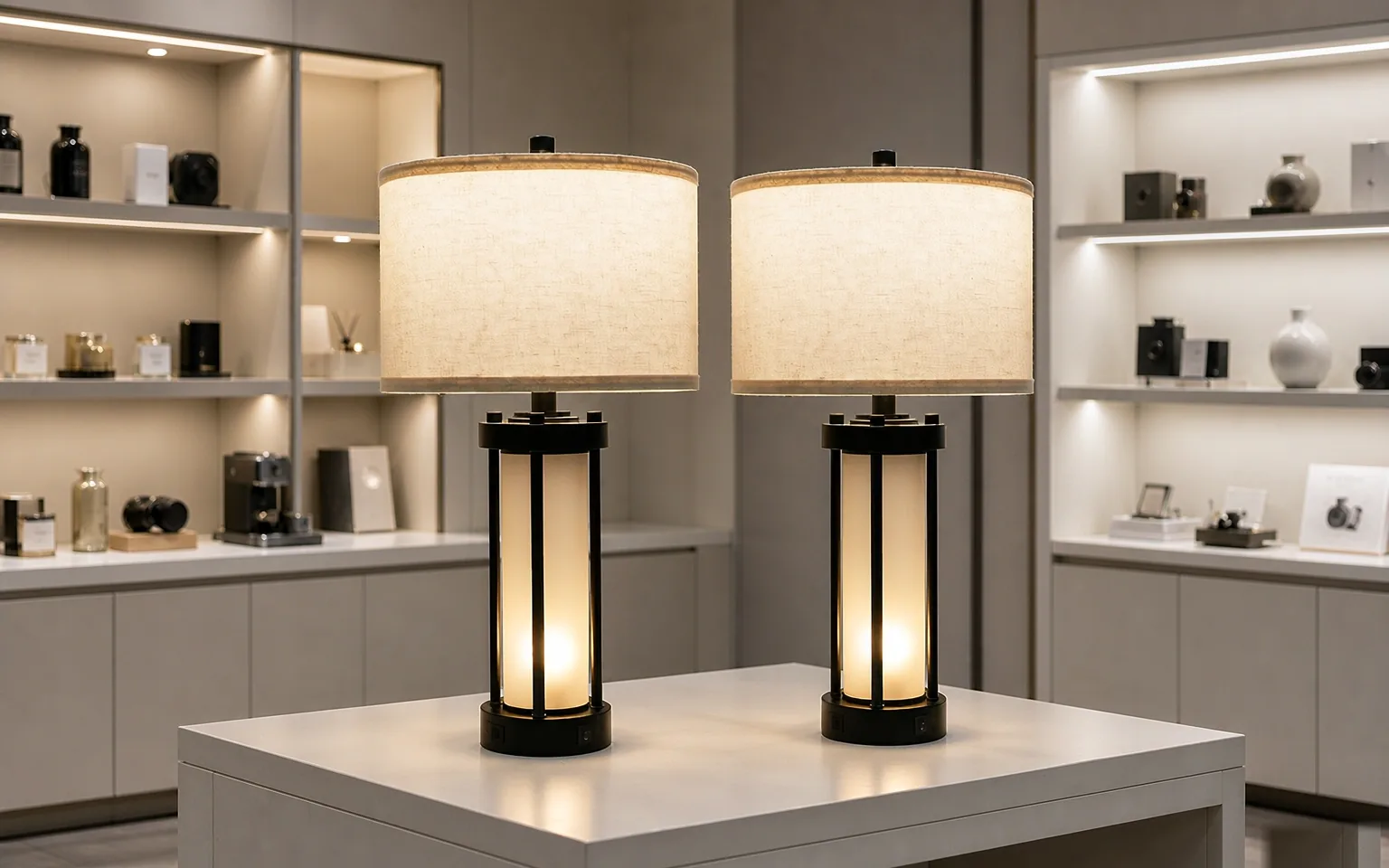
Every buyer has approved a sample that arrived perfect and received a production batch that was merely fine. The drift between the one lamp you signed off and the six hundred you received is not dishonesty — it is the natural result of two different manufacturing goals. Knowing where the drift appears lets you write a specification that survives volume.
Where drift shows up first
Finish is the classic one. A sample's finish is hand-picked; a production run's finish is whatever the line produced that week, and subtle shifts in tone or texture are easy to miss on a single unit and impossible to ignore across a room. The fix is to specify the finish as a controlled standard, not a description.
The sample round is where this gets caught — if you catch it. Our The Sample Round guide covers how to order, evaluate and sign off before volume, which is the only moment drift is cheap to correct.
Why a frozen spec is the real protection
Once the sample is approved, the specification has to be frozen, or the production team will optimise toward cost and the lamp will move. A change-control step — any finish, driver or cord alteration triggers re-approval — is what keeps the received unit matching the approved one.
Our Freezing a Lamp Specification article sets out the control itself; without it, 'minor' production tweaks accumulate into a visibly different product by the third reorder.
Mixed-SKU orders and the drift multiplier
Drift gets worse with variety. A mixed-SKU opening order means several models in one shipment, each with its own finish and tolerance, and the chances of one drifting rise with the count. Tightening the spec per model up front is cheaper than auditing each carton later.
Our Mixed-SKU Opening Orders guide walks the first-assortment build; the same discipline that prevents overstock also limits how far any one model can drift before someone notices.
What Anrotix does
We hold stock in the United States and keep standard models in steady production so a reorder matches the unit you approved, not a revised one. Each portable luminaire is built to ETL listed to UL 153 and CSA C22.2, 120V with E26 bases and US plugs, so the approved sample and the production unit share one electrical specification.
Wholesale pricing is tiered by volume and quoted rather than published — send the model list and target quantities to help@anrotix.cn and we will return landed options with the specification terms needed to freeze the build.
Frequently asked questions
Is sample-to-production drift a sign of a dishonest supplier?
Usually not. It is the natural gap between a sample built to impress and a run built to a cost. The protection is a frozen specification with change control, not suspicion of the factory.
Which attribute drifts most between sample and volume?
Finish. A hand-picked sample finish is easy to love; a production-line finish is whatever was made that week, and small tonal shifts are invisible on one unit and obvious across a room.
How do mixed-SKU orders make drift worse?
Each added model brings its own finish and tolerance, so the odds of one drifting rise with the count. Specifying each model tightly up front is cheaper than auditing every carton after the fact.
Sourcing lamps for your business?
We stock the Anrotix range in the United States — complete with LED bulbs and accessories — and supply from 10 units, mixed across SKUs.
Request wholesale pricingRelated product: the models held in United States stock — 120V portable lamps with E26 bases and US plugs, orderable from ten units with mixed SKUs
Recruiting regional partners worldwide — help@anrotix.cn