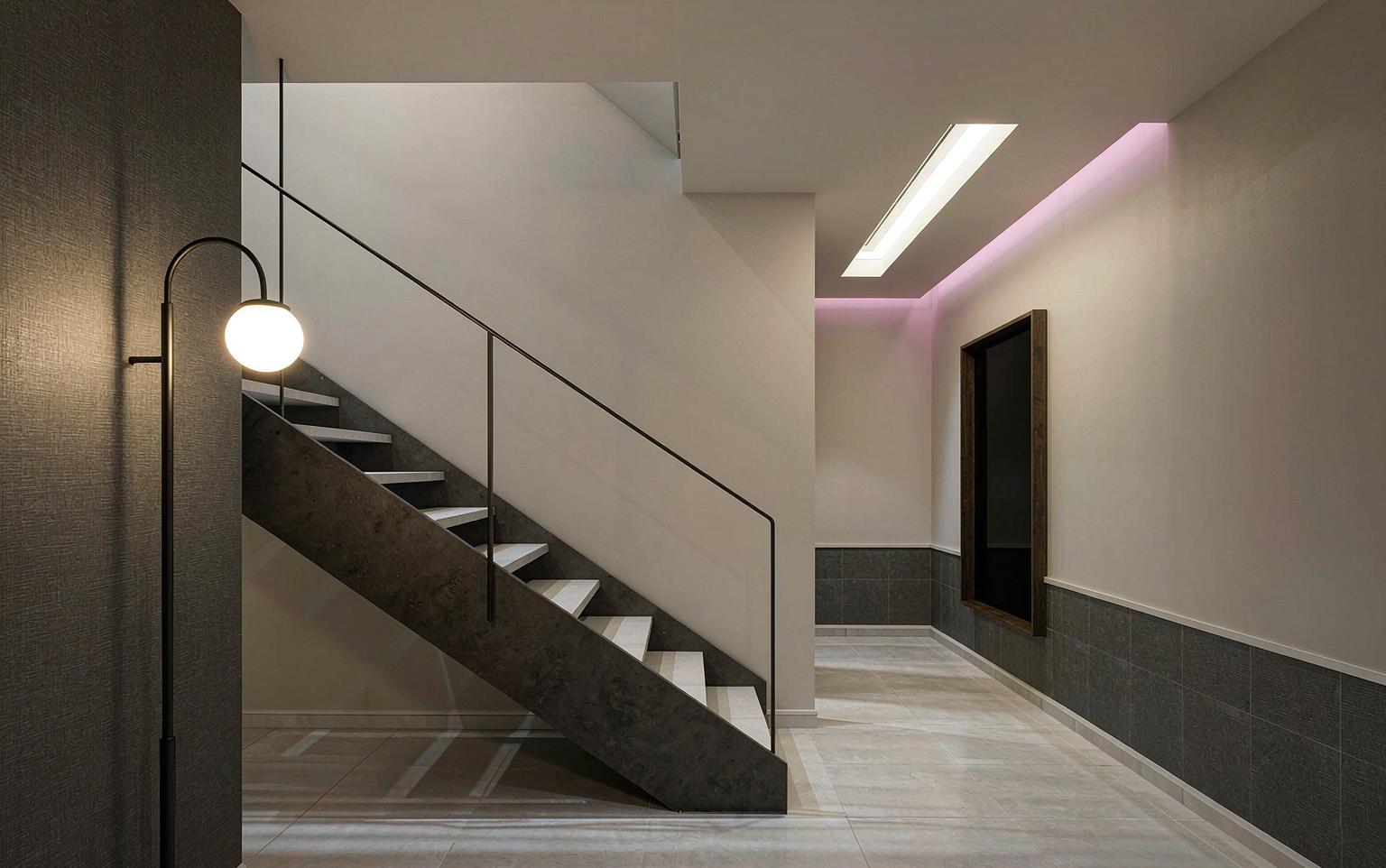
A few years ago a cordless table lamp was a novelty a designer specified once. In 2026 it is a default line item for hospitality fit-outs, because removing the socket from the table changes the whole layout of a room.
What the cord was costing
A corded table lamp pins seating to a wall or a floor box. That single constraint decides where a table can sit, how tightly tables pack, and how a space reads. Remove the cord and the table can go anywhere the light is wanted.
The battery question buyers ask
Hospitality buyers quickly learn to ask for runtime at a useful brightness, not just 'rechargeable'. A lamp that dims to a warm glow for eight hours beats one that claims all-day life at a level nobody wants.
- Usable runtime at the brightness you actually set
- A charge method that fits the venue (USB-C vs dock)
- A replaceable cell, because batteries age faster than lamps
Durability is the real spec
A hospitality lamp is handled, moved and dropped more in a month than a home lamp in a year. The specification that matters is the one about the hinge, the base and the cell you can swap, not the marketing runtime.
A non-replaceable battery turns a lamp into a consumable the day it weakens.
Frequently asked questions
How long should a hospitality cordless lamp run?
Long enough at your real setting to cover a service without a mid-shift charge — often six to ten hours at a warm dim level — with a cell you can replace.
Why does a replaceable battery matter to a buyer?
Because the battery ages faster than the lamp. A sealed unit becomes e-waste on schedule; a swap-in cell keeps the fixture in service.
Sourcing lamps for your business?
We stock the Anrotix range in Fontana, California — complete with LED bulbs and accessories — and supply from 10 units, mixed across SKUs.
Request wholesale pricingRelated product: Wood USB table lamp — a corded USB example — confirm runtime and cell serviceability before specifying cordless use
Recruiting regional partners worldwide — help@anrotix.cn