Last reviewed: Sep 15, 2026
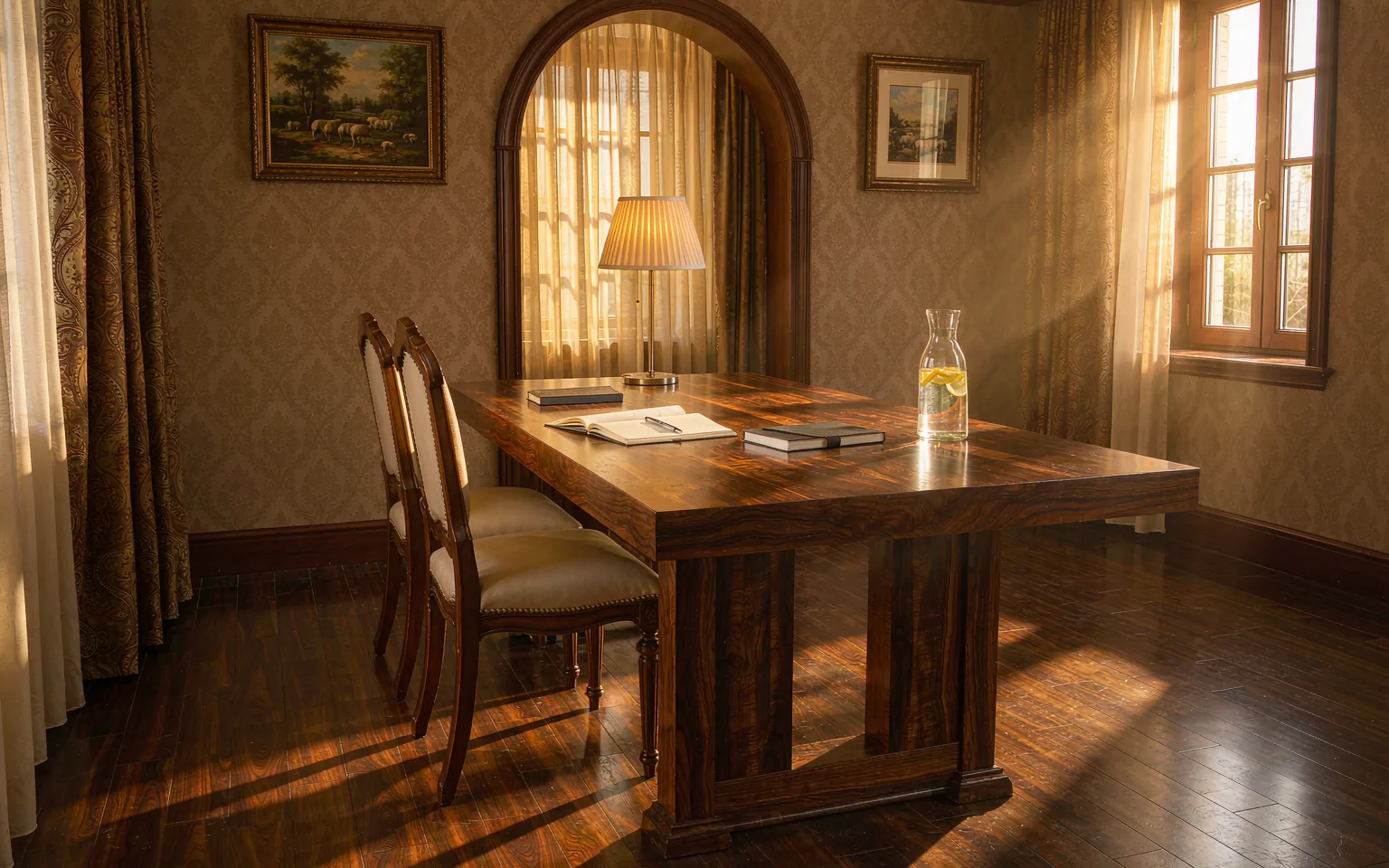
Component substitution is normal in lighting manufacturing. A driver goes end of life, a shade supplier raises prices, a finisher changes process. Most of these changes are harmless. Some of them invalidate the evidence a safety listing rests on. The useful skill is not avoiding changes; it is knowing which changes trigger a conversation with the certification file holder before production rather than after a claim.
What a listing actually covers
A listing is evidence that a specific construction, evaluated against a specific standard, was found to comply. The evaluation rests on the components that were submitted: the socket, the wiring, the cord and plug, the switch or control gear, the shade, and the thermal path that keeps them within their ratings.
Change any part of that and the question is not whether the new part is good. The question is whether the new part changes the characteristics that were evaluated. A driver with the same output but a different case temperature changes thermal behaviour. A shade with the same look but a tighter fit changes thermal behaviour too. Both look cosmetic from the outside.
Sorting changes into three buckets
The middle bucket is where most mistakes happen, because nothing about it looks like an engineering change. A shorter cord is a specification change that affects where the lamp can be placed and therefore how it is used.
When in doubt, ask the file holder rather than deciding. The question is cheap and the answer is definitive.
- Clearly cosmetic: colour naming, packaging artwork, hangtag copy. No safety relevance, but keep the record anyway.
- Needs a check: shade fabric or liner changes, cord length changes, alternative bulb recommendations, finish process changes.
- Needs re-evaluation: different socket type, different driver family, a higher maximum wattage marking, a different plug or cord type, structural changes to the base or stem.
The thermal argument, in plain terms
Most portable lamp safety evaluation comes down to temperature. Materials must not reach temperatures at which they degrade, deform or ignite under normal and abnormal use. Everything that affects heat generation or heat dissipation is therefore inside the scope of the evaluation.
This is why the shade matters more than buyers expect. It is not decoration in safety terms; it is part of the thermal enclosure. Changing its material, its liner or how much air it lets through changes the temperatures inside it. The same reasoning applies to the driver, which is the component most likely to be substituted without anyone considering the thermal consequence.
How to verify rather than assume
Verification is a documented question, not a feeling. How to Verify a Safety Listing Instead of Trusting the Mark sets out how to check that a listing exists, what it covers and which models fall inside it.
Keep the answers with the specification rather than in an inbox. Two years later, when a property asks whether the replacement batch is covered, the only useful artefact is a written confirmation with a date on it.
For our part, the Anrotix portable-luminaire range is built to ETL listed to UL 153 and CSA C22.2, and certificate copies with confirmation of covered models are provided on request.
Compliance note: no claim is made to CE, UKCA, EAC, RCM, INMETRO or SASO certification. Destination-market conformity documentation for 230V programmes is quoted as part of the individual project.
What a buyer can reasonably require contractually
The practical safeguard here is documentary rather than technical. Require the supplier to notify you before any change to a listed component, and require evidence that the listing still covers the changed construction before the goods ship.
This costs nothing to ask for and it converts an invisible risk into a routine email. Suppliers who already manage their files will not object. Suppliers who do not will, and that reaction is itself informative.
It also protects the property, not only the buyer. Where portable lamps are installed in a commercial building, the question of whether the installed units match the evaluated construction can surface during an inspection rather than during purchasing. Portable Lamps and the AHJ Inspection covers what that visit looks like, and A Certification Is Not a One-Time Purchase looks at why the file has to be maintained rather than merely obtained.
- Advance notice of component changes, with a named contact.
- Confirmation of listing coverage before shipment, not after arrival.
- A retained copy of that confirmation with the project file.
Putting the question to us
If a specification is going to change mid-programme, the cheapest moment to raise it is before the tooling or the purchase order moves. Send the current model reference and the component that is changing to help@anrotix.cn, and we will confirm whether the change sits inside the existing listing file or needs to be evaluated before the goods ship.
Where a change does require evaluation, we will say so and give the lead time. That is a slower answer than a yes, but it is the one that keeps an inspection or a retailer compliance review uneventful.
Frequently asked questions
Does changing only the colour require re-testing?
A colour change within the same finishing process normally does not, but it should still be recorded. A change of process, such as moving from paint to plating, is a different question and belongs in the review bucket.
What if the original driver is discontinued?
Treat it as a specification change. The replacement needs to match the electrical characteristics and the thermal behaviour, and the file holder should confirm the substitution rather than the factory assuming it.
Who is responsible for keeping the record?
The certification file holder, usually the manufacturer or the brand owner. A buyer cannot maintain the file, but a buyer can and should ask for the current confirmation before volume production.
Sourcing lamps for your business?
We stock the Anrotix range in the United States — complete with LED bulbs and accessories — and supply from 10 units, mixed across SKUs.
Request wholesale pricingRelated product: the three-light arc floor lamp — a long-reach shaded model where driver and shade specification matter most
Recruiting regional partners worldwide — help@anrotix.cn