Last reviewed: Sep 15, 2026
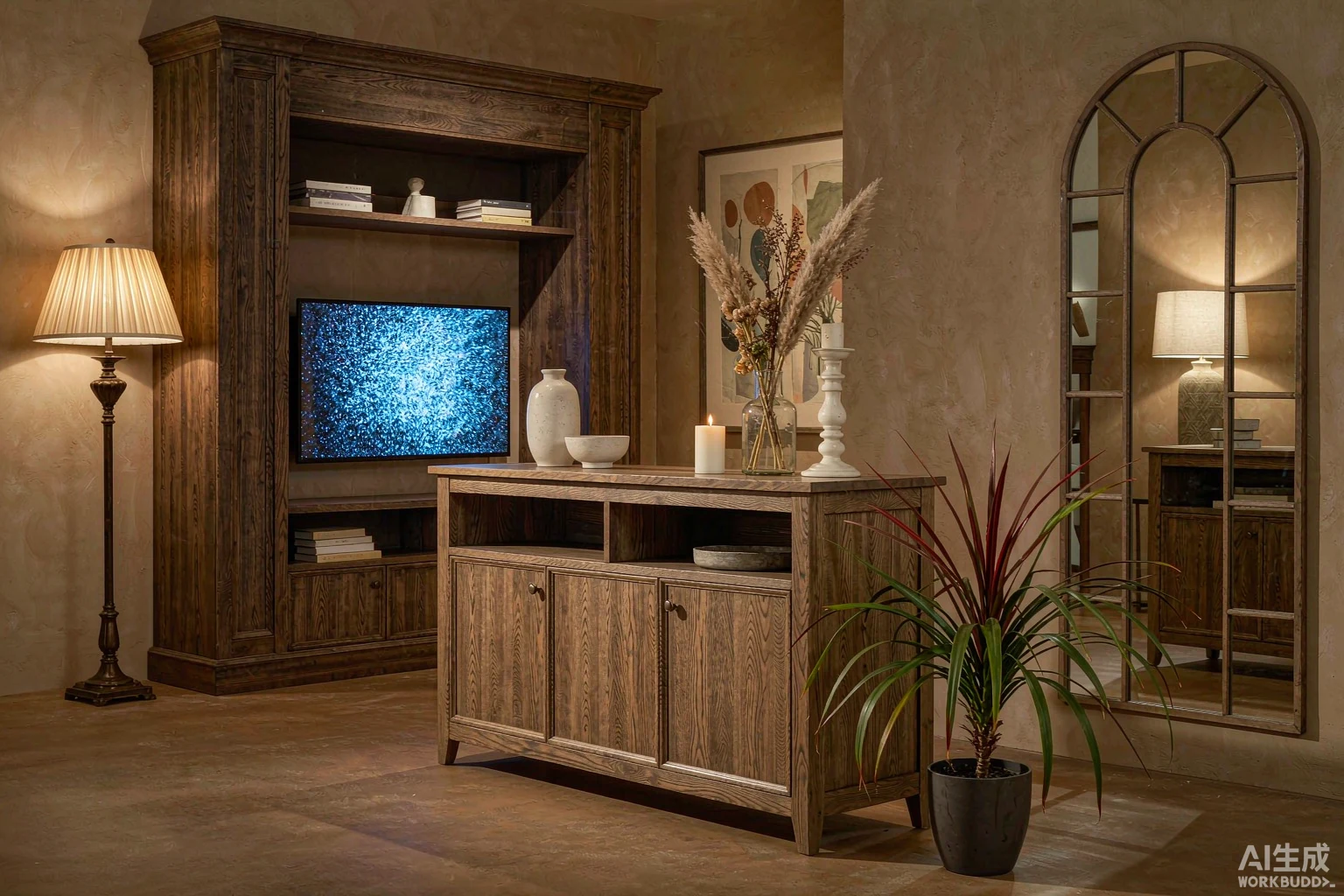
Ask a lighting designer to review a room with one ceiling fixture and one heroic lamp, and the diagnosis arrives in one word: flat. The room has light but no composition. The professional vocabulary for fixing it is layering — splitting a room’s illumination into three jobs, each served deliberately: ambient light that lets the room function, task light that lets its activities happen, and accent light that gives the eye somewhere to rest and something to notice. The vocabulary is design-school standard, but it is also the most practical buying tool in portable lighting, because it turns “what lamps does this room need?” into a checklist a programme buyer can apply room by room.
The ambient layer: light that lets the room work
Ambient light is the room’s base illumination — the even, general glow that lets people move, converse and find things without squinting. In ceiling-wired rooms it comes from fixtures; in the ceiling-optional rooms portable lamps serve best, it comes from uplights and wide-shade floor lamps that bounce light off ceilings and walls until the room stops having dark corners.
This is why the torchiere survived its history into the modern catalogue, and why wide-shade floor lamps remain the workhorses of rental and hospitality programmes: the ambient layer is the layer buyers most often under-specify, because it is the least glamorous. Our uplights and ceiling reflectance guide covers the physics that makes an uplight’s performance depend on the room itself — a detail that decides ambient quality more than the lamp’s spec sheet does.
The task layer: light for what people actually do
Task light is close-range and purposeful: the reading lamp by the armchair, the nightstand pair, the desk source. It is the layer guests and residents judge most critically, because it is the layer they use with attention — a reading pool that flickers or glares is noticed within a page. It is also the layer with the sharpest geometry: height, shade shape and placement decide whether the pool lands on the book or on the reader’s face.
Programme buyers standardise the task layer first, because it is where comfort complaints originate. Our reading nook accent guide covers the pool-of-light placement, and the table lamp height guide covers the nightstand math that keeps the task source at eye height rather than at forehead height.
The accent layer: light that gives the room composition
Accent light is the smallest layer and the one rooms miss most when absent: a warm pool on a plant, a shelf, a piece of art. Its job is not visibility but composition — the eye needs somewhere to travel, and a room with only flat general light has nowhere to go. In portable terms the accent layer is the smallest lamp in the room, or the dimmest setting on a multi-source piece, placed to make one corner deliberate.
The layer also has a commercial face: in retail, the accent layer is what makes merchandise read as curated rather than stocked — our colour rendering for merchandising guide covers the quality side of that effect. In homes and hotels the same instinct applies at a gentler volume: one deliberate corner changes how the whole room photographs.
Why one multi-light lamp is not automatically layering
A three-head arc lamp is not three layers just because it has three heads — layering is about the jobs the light does, not the count of sources. The heads of a multi-light piece usually serve one job (ambient) at one height. What makes a piece genuinely layered is independent control: heads that aim differently, a dimmer that separates the room’s general glow from its close-range pool, a shade design that spreads differently at different outputs. Buyers evaluating multi-light models should ask what the extra heads change, not just how many there are.
The honest version of layering usually still wants two or three separate pieces in a full living space — one ambient format, one or two task sources, optionally one accent — which is why the pairing logic in our floor and table lamp pairing guide matters more than any single specification sheet.
Specifying layers as a buying checklist
Applied to procurement, layering becomes a per-room-type checklist: which layer does each piece serve, is any layer missing, and is any layer duplicated? A model unit with two task lamps and no ambient source is missing the layer that makes the room feel finished; a lobby with three ambient pieces and no task light is duplicated work with no function. The checklist takes minutes per room and catches the imbalance that design instinct misses at programme scale — our how many lamps per room guide turns it into counts.
Anrotix’s range is organised to make layering easy to buy: ambient formats, task-height table lamps and dimmable multi-light pieces that straddle layers. The range is built to ETL listed to UL 153 and CSA C22.2, 120V with E26 bases and US plugs, stocked in the United States, orderable from ten units with mixed SKUs. Send your room types to help@anrotix.cn and we will map the layers, propose the models, and quote the set.
Frequently asked questions
What are the three layers of lighting in plain terms?
Ambient light lets the room function, task light lets its activities happen at close range, and accent light gives the eye somewhere to rest. A room with only one layer reads as flat no matter how bright it is.
Does a three-head floor lamp count as layered lighting?
Not by itself. Layering is about the jobs light does, not the count of sources — three heads usually serve one job at one height. Independent controls, differing aims and a dimmer are what make a multi-light piece genuinely layered.
How do I apply layering when buying lamps for a programme?
Use it as a per-room-type checklist: list which piece serves which layer, then fix the imbalances — missing ambient, missing task, duplicated function. It catches at scale the design instincts that work only room by room.
Sourcing lamps for your business?
We stock the Anrotix range in the United States — complete with LED bulbs and accessories — and supply from 10 units, mixed across SKUs.
Request wholesale pricingRelated product: the three-light arc floor lamp — three heads on one base — ambient fill and task light in a single layered piece
Recruiting regional partners worldwide — help@anrotix.cn